Sci-Fi and Techno Fonts for Futuristic Design: A Complete Guide
If you're chasing that sleek, forward-looking aesthetic for your design work, mixing sci-fi and techno fonts might be exactly what you need. Many new designers struggle to nail futuristic typography without falling into clichés or making their work unreadable. This guide walks you through choosing, combining, and applying these specialized typefaces in ways that actually work.
Understanding Sci-Fi and Techno Aesthetics
These two styles overlap more than most people realize, but they come from different creative backgrounds.
Sci-fi typography pulls inspiration from space operas, alien civilizations, and speculative fiction. Think Star Wars crawl text, alien spacecraft dashboards, and those mysterious codes in sci-fi movies. The key characteristics here include unusual letterforms, cosmic imagery baked into the typography, and a sense of vast scale.
Techno fonts, on the other hand, originate from electronic music culture, early computer terminals, and arcade games. Geometric precision defines most techno fonts—clean lines, sharp angles, monospace influences, and that unmistakable digital vibe. Both styles share DNA with technology and the future, which is why they work so well together.
Top Sci-Fi Fonts Worth Knowing
Star Jedi
This one immediately signals "space opera" to anyone who sees it. Star Jedi balances that classic movie crawl feel with enough modernity to work in web design. The outer glow effect is built into the font itself, which saves you from faking it with Photoshop later. Use it for movie poster titles, game intros, or anywhere you want instant science fiction credibility.
Orbitron
Here's your gateway drug to futuristic typography. Orbitron appears everywhere from tech startups to sports branding because it hits that sweet spot between "sci-fi cool" and "actually usable." The geometric construction reads as both retro-futuristic and current. Give it generous letter spacing—the font practically demands room to breathe.
Audiowide
True to its name, Audiowide carries serious speed energy. The italicized, forward-leaning characters suggest motion even in static designs. It works best in small doses: hero headlines, logo treatments, or anything that needs to feel fast. Don't use it for paragraphs. Please. Your readers will thank me.
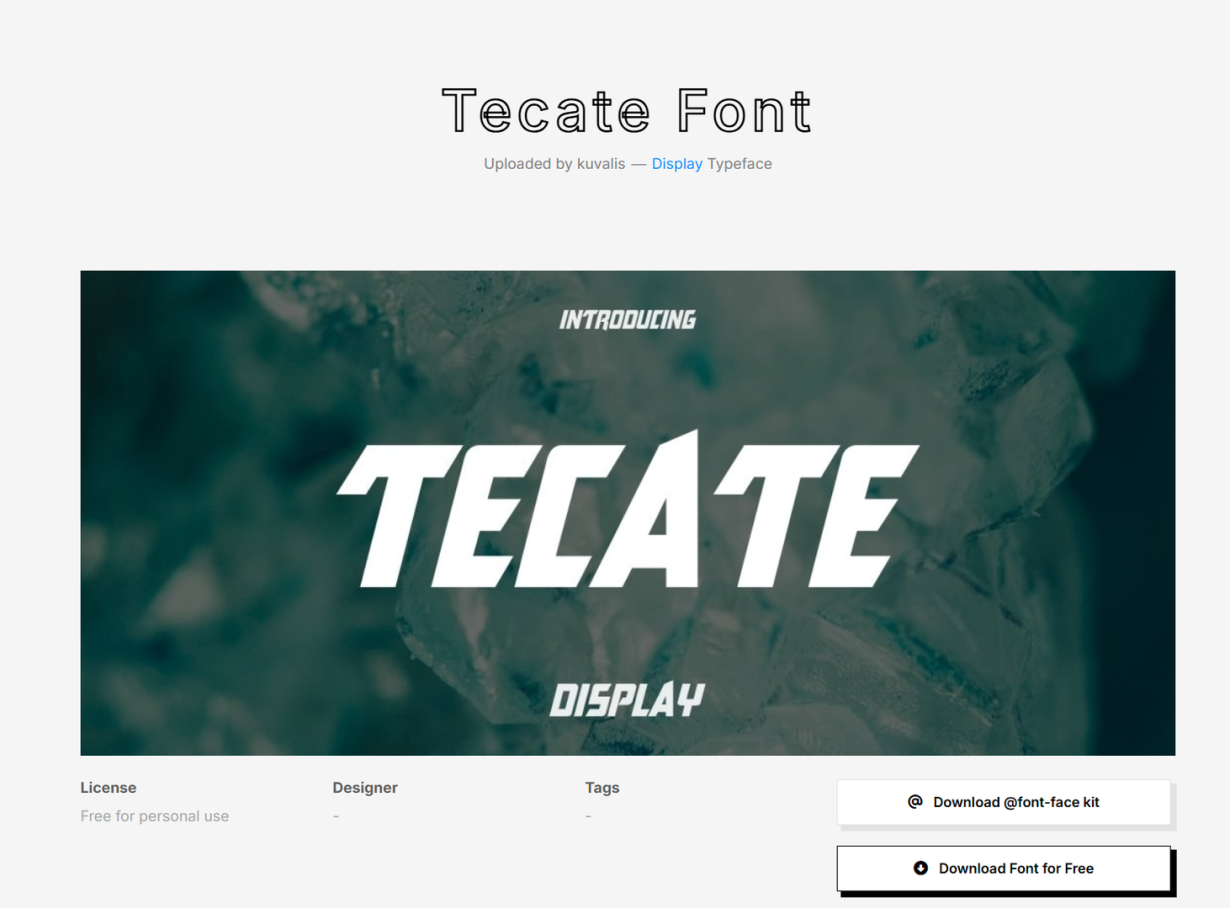
Tecate
If you want something that bridges sci-fi and industrial design, Tecate delivers. The slightly distressed edges give it character without being illegible. It works particularly well for gaming interfaces, post-apocalyptic themes, or any project that needs grit alongside its futuristic vision.
Pairing Sci-Fi With Techno Fonts
Here's where things get interesting. Combining these styles creates layered depth in your designs.
The most reliable approach: let sci-fi handle your drama and tech handle your utility. Use a bold sci-fi font for headlines that demand attention, then layer in a clean techno or monospace font for body text, UI elements, and supporting information. This creates immediate visual hierarchy while keeping everything cohesive.
Another solid option: contrast a glitched, fragmented sci-fi font with a clean geometric techno font. The chaos of the sci-fi headline balanced by the order of the techno subhead creates tension that keeps viewers engaged. Just don't pair two busy fonts—you'll create visual noise that hurts readability.
For maximum cohesion, stick to fonts from the same foundry or design family. Many type designers create matching sci-fi and techno variants specifically for this reason.
Common Mistakes New Designers Make
Over-application kills more futuristic designs than anything else. Yes, those sci-fi fonts are exciting. Using them on every headline, button, caption, and footer dilutes the impact until nothing feels special anymore. Save futuristic typography for moments that actually need it—your design will land harder.
Ignoring readability is the second big sin. That amazing glitched font looks incredible in your hero section, but forcing readers to decode it for your entire article will chase them away. Body text needs legibility. Always.
Mobile testing gets forgotten constantly. Many futuristic fonts render poorly on small screens, especially anything with fine details, extreme tracking, or unusual character shapes. Check your typography on actual phones before finalizing anything.
Practical Applications
For a tech startup website, consider using Orbitron for your main logo and navigation, Exo 2 (a clean techno font) for body text, and Rajdhani for section headers. This creates variety without chaos.
For a mobile app, limit yourself to two fonts maximum. Use a monospace font for code-related displays and a cleaner sans-serif option for everything else.
For print projects, remember that futuristic fonts often print differently than they appear on screen. Always produce proofs before final production. That crisp rendering on your retina display might look muddy on paper.
Conclusion
Sci-fi and techno fonts offer incredible potential for creating designs that feel ahead of their time. The secret is understanding what makes each style work—cosmic drama for sci-fi, geometric precision for techno—then applying them selectively and thoughtfully.
Start with beginner-friendly options like Orbitron, practice pairing them with clean companions, and always test across devices. As your eye develops, you'll naturally sense when futuristic typography serves your design and when simpler choices work better.
The universe of futuristic design awaits. Go make something amazing.
Linh Nguyen
Graphic Designer
Passionate Graphic Designer | Specializing in Illustration Design | Bringing Captivating Visuals to Life