Best UX Design Blogs Every Designer Should Bookmark in 2026
The UX design field moves fast. What was considered best practice two years ago might feel dated today. Staying current isn't optional—it's essential for anyone who wants to create products that actually work for people. But with countless blogs publishing design content daily, finding the signal through the noise gets exhausting.
After years of curating design resources and watching the landscape evolve, I've compiled this list of the best UX design blogs worth your attention. These aren't just blogs that happen to publish design content—they're the ones that consistently deliver insights worth implementing in your work.
Why Following Design Blogs Matters in 2026
Design doesn't exist in a vacuum. The best practitioners constantly absorb new perspectives, challenge their assumptions, and see how others solve similar problems. Blogs offer something courses and books often miss: real-time discourse about what's happening right now in the industry.
Beyond staying current, these resources expose you to different design philosophies and approaches. A blog written by someone at a major tech company might show you how enterprise design works. A blog by an independent designer might reveal freelance-specific challenges you'd never encounter in-house. This diversity of perspective makes you more adaptable.
The designers who advance fastest aren't necessarily the most talented—they're the ones who never stop learning. Regular reading builds that learning habit into your routine.
Another reason blogs matter: they document the evolution of design thinking. Understanding why certain patterns emerged helps you make better decisions about when to follow conventions and when to break them.
Industry Giants: Blogs from Major Tech Companies
Major tech companies have dedicated design teams that publish extensively about their processes. These blogs offer insight into how design happens at scale—something smaller teams rarely document.
1. Google Design
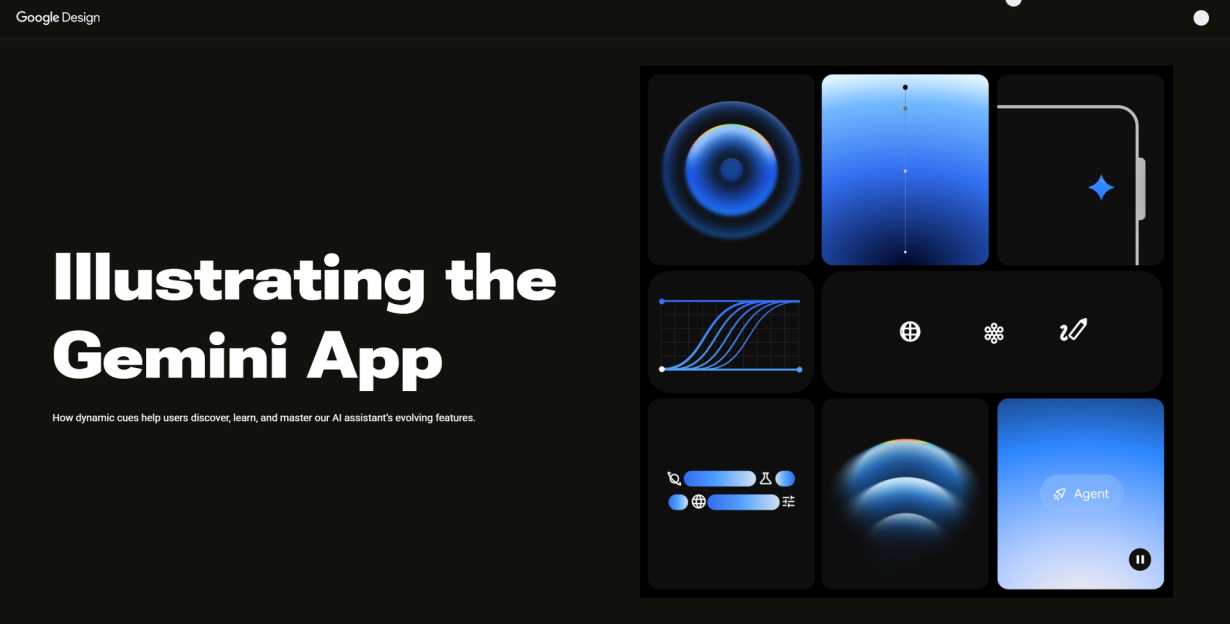
Google's design blog stands out for its breadth. You'll find everything from Material Design guidelines to essays about design leadership. The team publishes case studies that pull back the curtain on decisions behind Google's products. Their series on accessibility deserves special attention—Google does accessibility research that few other companies share so openly.
What makes this blog essential: It bridges the gap between guidelines and real-world application. You see how design systems actually get implemented at scale.
The Material Design updates in 2025 and into 2026 have emphasized customization and flexibility while maintaining the consistency that made the system popular. Following their blog keeps you current on these evolutions.
2. Microsoft Design
Microsoft's approach to design has undergone a remarkable transformation, and their blog documents that journey. The Fluent Design System coverage here is comprehensive—you'll find explanations of design decisions, not just documentation. Their articles on inclusive design go beyond surface-level accessibility talk into genuine problem-solving.
The blog also features internal tool spotlights. Seeing how Microsoft builds design tools gives insight into how large teams coordinate their work.
The shift toward cross-platform design in recent years has been particularly well-documented here. If you're wrestling with how to maintain consistency across Windows, Mac, and mobile, their approach offers valuable lessons.
3. Spotify Design
Music and podcast consumption are fundamentally different from using productivity apps or shopping sites. Spotify's blog explores how design adapts to different contexts. Their content on audio UX specifically fills a gap you won't find elsewhere.
Their design critique series is particularly valuable—seeing how a team publicly discusses work (including its flaws) models the kind of honest feedback culture every design team benefits from.
What sets Spotify apart: they treat design challenges as interesting problems worth explaining, not just finished solutions worth showcasing.
4. Airbnb Design
Airbnb's design blog feels like a masterclass in brand-driven design. They show how a cohesive visual language extends from digital products into physical experiences. The Belong Anywhere philosophy permeates their design thinking in ways that feel genuine, not forced.
Their Dribbble presence often goes viral, but the blog provides the backstory—the reasoning and process that makes the final work click.
Airbnb's exploration of belonging as a design principle has influenced how many designers think about emotional resonance in products. Worth exploring their archives for this alone.
Independent Voices: Solo Practitioners and Small Teams
Independent blogs often take risks that corporate publications won't. These voices shape the industry's direction in ways that bigger players sometimes miss.
5. Dark Mode
This newsletter-turned-blog covers design with a refreshing perspective. Rather than chasing trends, the writing interrogates them. Why do certain patterns work? What assumptions are we making about users? The analytical approach appeals to designers who want to think more deeply about their craft.
The curation here matters. Instead of publishing constantly, they focus on quality over quantity. Each piece rewards careful reading.
6. UX Collective
Medium's largest design publication hosts voices from across the industry. The quality varies—you'll find both groundbreaking thinking and content that could've been an email—but the volume means consistent discovery. Use their tagging system to filter for topics that match your current interests.
The comment threads often add value beyond the articles themselves. Real practitioners discuss, debate, and extend the ideas presented.
7. Little Big Details
This curated newsletter celebrates thoughtful micro-interactions. Each entry shows a single detail from an app or website, explaining why it works. The collection builds intuition for what separates good design from forgettable design. It's easy to read but teaches profound lessons about user attention.
What makes this valuable: it trains your eye to notice what most people overlook. That attention to detail separates junior designers from senior ones.
8. Full Stack Product Design
As product design roles increasingly require understanding of development, this blog bridges that gap. The author (previously at Stripe and other startups) writes about designing systems that developers can actually implement. Practicality over theory makes this one immediately useful.
The technical depth here is unusual for a design blog. Understanding what's possible in CSS, JavaScript, and backend systems makes you a more effective designer.
Research-Driven: Data-Informed Perspectives
Opinions are cheap. Data changes how you make arguments for your design decisions. These publications back up claims with actual research.
9. Nielsen Norman Group
The gold standard for UX research. NN/g publishes studies that become industry references—you'll see their findings cited in design decisions across the web. Their research on mobile UX, forms, and navigation patterns directly informs best practices.
The content isn't free (membership required for full access), but the free articles alone provide substantial value. If you can only follow one research source, make it this one.
Their annual UX conference presentations are particularly valuable. Seeing the research presented in person (or virtually) adds context that articles sometimes miss.
10. Baymard Institute
Baymard does something few others do: they publish actual e-commerce usability studies with real data. Their benchmark reports on checkout flows, search interfaces, and product pages are repeatedly referenced because they show what actually works, not what people claim works.
If you work on e-commerce, these studies are essential reading. The data frequently contradicts common design assumptions.
What's refreshing: they publish the methodology. You can evaluate whether their findings apply to your specific context.
11. Lattice
While primarily an HR platform, Lattice's design blog publishes thoughtful work on productivity and employee experience. Their research on workplace tools and collaboration informs how we design internal enterprise products. The design leadership content also resonates with anyone managing design teams.
The focus on employee experience bridges consumer and enterprise design thinking in useful ways.
Design Systems and Frontend: Technical Excellence
Modern design increasingly requires understanding of systems thinking and technical implementation. These resources bridge that gap.
12. Brad Frost
Brad Frost's blog essentially coined the atomic design methodology. While he doesn't post frequently, each article carries weight. His work on design tokens, component libraries, and frontend architecture connects design to development in practical ways.
The atomic design framework has become foundational for design systems work. Understanding it deeply pays dividends.
13. Nathan Curtis
Another design systems authority, Nathan Curtis writes extensively about building and maintaining component libraries. His articles on team structure, governance, and scaling design systems address the organizational challenges that technical documentation often misses.
His posts on component API design are particularly useful. How you expose controls to developers determines whether your design system gets used correctly.
14. CSS-Tricks
Not exclusively a UX blog, but the best resource for understanding what's possible in CSS and how it affects design implementation. Understanding technical constraints makes you a better designer—CSS-Tricks keeps you informed without requiring you to become a developer.
The Grid and Flexbox guides here are exceptional. Understanding layout fundamentals transforms how you approach visual design.
15. Smashing Magazine
One of the longest-running web design publications, Smashing covers both design and development with equal depth. Their tutorials are practical and their long-form articles explore topics thoroughly. The quality control here is consistently high.
Their book publishing arm has produced several essential references for modern design practice.
Career and Leadership: Growing Your Practice
Technical skill only takes you so far. These resources address the less-discussed aspects of design careers.
16. High Velocity
Design leadership content that gets it. The author (a former VP of Design) writes about organizational challenges without the corporate fluff. Topics like hiring, team dynamics, and strategic positioning prepare you for career advancement.
What distinguishes this: practical advice from someone who's actually been there. Not theoretical frameworks, but lessons learned.
17. Dep sign
This newsletter explores the business side of design—pricing, client management, and building a sustainable practice. Essential reading if you're considering freelance or running your own studio.
Understanding business fundamentals makes you a more effective internal designer too. You can speak the language of stakeholders.
18. Designer Founder
Stories from designers who built companies. The interviews reveal how design thinking influences product decisions at the highest level. Even if you never start a company, understanding the entrepreneurial perspective changes how you present design work.
The common thread in these stories: design thinking applied to business problems, not just user problems.
Specialized Niches: Industry-Specific Focus
Sometimes you need specialized knowledge. These blogs focus on specific domains that require particular expertise.
19. UX in the Enterprise
Enterprise software has unique constraints that consumer design wisdom often ignores. This blog specifically addresses challenges like complex workflows, administrative interfaces, and stakeholder management that define enterprise UX.
The difference between consumer and enterprise design is vast. Ignoring this niche leaves you unprepared for a large portion of design work.
20. UX for Gaming
Gaming UX is fundamentally different from traditional interface design. This blog (and community) explores player psychology, onboarding for games, and the unique patterns that work for entertainment products. Even if you don't work in gaming, understanding different interaction paradigms expands your thinking.
Games have been innovating with interaction patterns for decades. There's plenty for non-gaming designers to learn.
21. Service Design Network
Service design extends UX thinking to entire organizations. If you're interested in customer journey mapping, organizational change, and designing beyond screens, this network provides the frameworks and case studies that make the abstract concrete.
The connection between digital and physical experiences matters increasingly as services integrate both.
Emerging Voices: New Perspectives
The industry evolves, and new voices bring fresh perspectives. These resources showcase what's coming next.
22. Read CV
A collection of design portfolios and case studies that showcases emerging talent. Great for seeing what hiring managers notice and understanding current portfolio expectations. The featured work often reveals trends before they become mainstream.
Studying what gets featured here helps you understand where the industry is heading.
23. Designership
This newsletter combines practical tutorials with career advice. The weekly format makes it manageable—you get one substantial email instead of feeling pressured to check a site daily.
The balance between practical skills and career development makes this particularly useful for mid-career designers.
Newsletters: Curated Reading
Sometimes you need someone else to do the filtering. These newsletters aggregate the best content so you don't have to hunt for it.
24. UX Weekly
A curated newsletter that aggregates the best design content from around the web. If your time is limited, this provides a high-signal digest of what's worth reading. The curation itself teaches you what matters.
Using curated newsletters as a discovery mechanism, then diving deep on what interests you, maximizes efficiency.
25. Design Rounds
Another newsletter that synthesizes multiple perspectives on design topics. The roundup format shows you how different experts approach the same challenges—a useful reminder that design rarely has single correct answers.
Reading multiple viewpoints on the same topic builds the judgment you need to make decisions in ambiguous situations.
Building Your Reading System
Following 25 blogs is overwhelming. Instead, select 5-7 that match your current needs and interests. Rotate your reading list as your career evolves—what serves you as a junior designer differs from what helps as a senior or lead.
Consider this tiered approach:
Daily check: A quick newsletter or single blog that publishes frequently
Weekly deep dive: Longer articles you save for dedicated reading time
Monthly exploration: Something from this list you haven't explored yet
Take notes. The designers who grow fastest don't just read—they capture insights they can act on later. Even a simple system of bookmarking and tagging articles makes retrieval easier when you need specific guidance.
Finally, apply what you learn. Reading without action builds knowledge, but only action builds skill. After each significant insight, ask yourself: how can I use this in my current work?
Final Thoughts
The best design blog isn't necessarily the most popular one. It's the one that challenges your thinking and connects to the problems you're actually solving. Use this list as a starting point, then prune ruthlessly. Your reading list should feel essential, not overwhelming.
What distinguishes good designers from great ones isn't talent—it's the hunger to keep learning. These blogs feed that hunger. Start with the ones that match your current work, and let curiosity guide you to the rest.
Tags
Stefan Tran
Tek lover