Vibe Design: The Next Evolution After Vibe Coding?
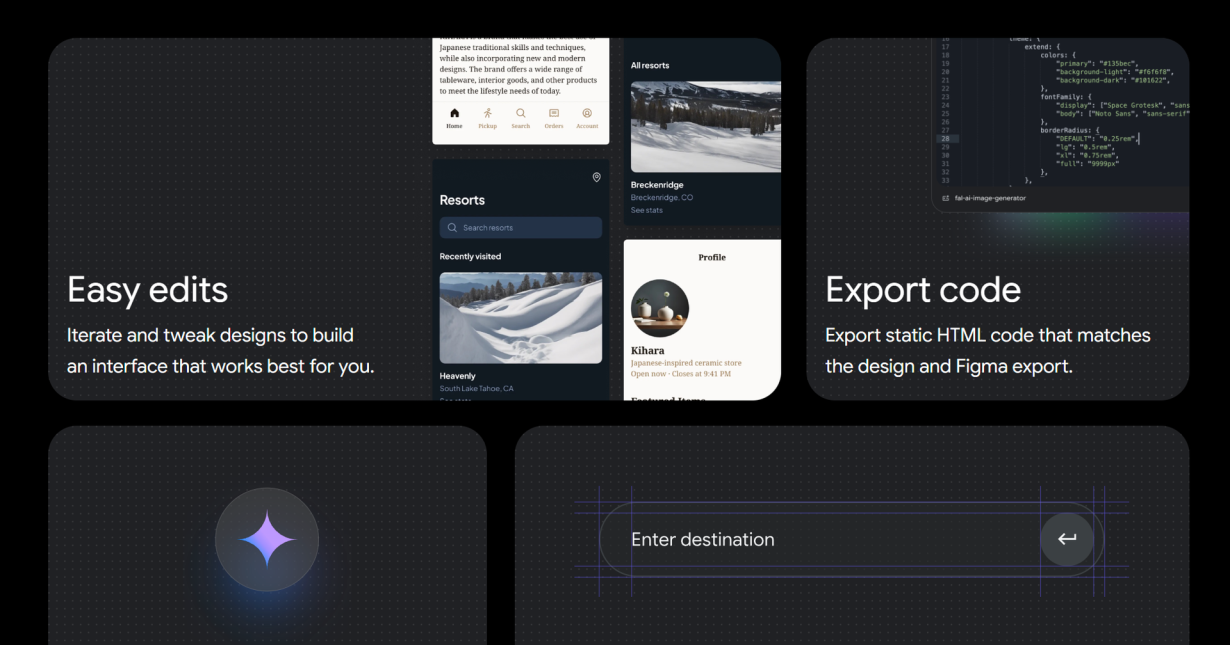
Imagine describing your dream app interface in plain English — "a clean SaaS landing page with a dark hero section, orange CTAs, and a pricing table" — and watching AI generate a polished design in seconds. That's vibe design, the long-awaited counterpart to vibe coding that's set to transform how we create digital products.
When Google launched Stitch (its "Design with AI" tool) earlier this year, Figma's stock dropped 11% in just two days. The message was clear: the design industry is on the brink of a major disruption. But is vibe design the natural next step in the evolution of creative tools, or just another overhyped AI trend that will fizzle out?
The Vibe Coding Revolution — and Why Design Needed to Catch Up
Vibe coding changed the game for developers. Suddenly, you didn't need to write every line of HTML, CSS, or JavaScript from scratch. Instead, you could describe what you wanted — "a responsive login form with email validation" — and AI would generate production-ready code in seconds. This made prototyping faster, more accessible to non-technical stakeholders, and freed up developers to focus on complex problem-solving.
But design lagged behind. Creating even a simple UI mockup still required mastering tools like Figma or Sketch, and the handoff between design and development was often fraught with miscommunication. Vibe design promises to fix this disconnect by bringing the same natural language simplicity to visual design.
What Vibe Design Actually Is (and How It Differs from Vibe Coding)
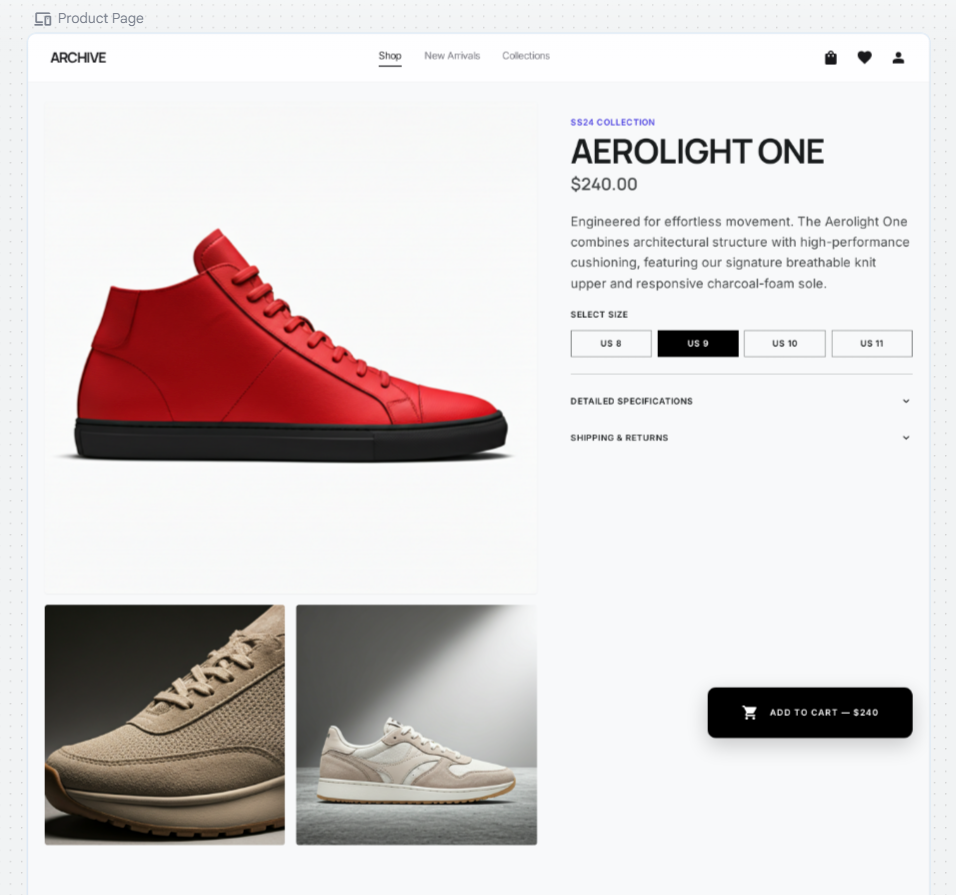
Vibe design is the practice of generating visual designs from natural language prompts. Tools like Google Stitch, Figma Make, and VibeFlow let you describe your vision in plain English — "a modern e-commerce product page with floating add-to-cart buttons and product reviews" — and instantly get a complete layout.
While vibe coding and vibe design share the same natural language interface, they serve fundamentally different purposes:
Aspect | Vibe Coding | Vibe Design |
|---|---|---|
Output type | Functional, runnable code | Visual mockups or design assets |
Evaluation criteria | Functionality, performance, security | Aesthetics, usability, brand alignment |
Subjectivity | Binary (works or doesn't) | Highly subjective (depends on taste and context) |
Primary users | Developers, technical product managers | Designers, non-technical stakeholders |
The Hype vs. Reality: Where Vibe Design Shines and Falls Short
The hype around vibe design is undeniable. It can generate a complete landing page layout in 30 seconds that would take a designer 2–3 hours to create from scratch. But like all emerging technologies, its capabilities are limited.
What Vibe Design Excels At
Rapid Prototyping: Generate 5–10 layout concepts in minutes to explore different design directions
Boilerplate Generation: Create standard UI patterns (card layouts, form screens, navigation bars) quickly
Design-to-Development Handoff: Use design-to-code tools to convert AI-generated mockups directly into components
Inclusive Design Collaboration: Let non-designers contribute visual ideas without learning complex tools
Where Vibe Design Still Struggles
Emotional Depth: AI-generated designs lack the intentionality and emotional resonance of human-created work
Brand Consistency: Tools often fail to understand and apply complex brand guidelines consistently
Accessibility: AI designs are almost never accessible by default — they often have poor contrast, missing alt text, and keyboard navigation issues
Complex User Flows: Tools struggle with multi-step processes, edge cases, and context-dependent interactions
Accessibility: The Elephant in the Room with AI-Generated Designs
Perhaps the most significant limitation of vibe design is accessibility. AI-generated designs are almost never accessible by default. They often have poor color contrast ratios, missing alt text for images, and broken keyboard navigation that make them unusable for people with visual, motor, or cognitive disabilities.
Matthew Stephens, a developer and accessibility advocate, built 33 separate Claude Skills specifically to fix the accessibility problems in AI-generated designs. This staggering number highlights the massive gap between what vibe design tools produce and what's required for inclusive design.
For vibe design to be truly useful in professional settings, accessibility needs to be built into the core of these tools, not an afterthought.
Integrating Vibe Design into Your Workflow (Without Losing Control)
The most effective way to use vibe design is not to replace traditional design, but to augment it. Here's a practical workflow that combines the speed of AI with the expertise of human designers:
Exploration Phase: Use vibe design tools like Google Stitch to generate 5–7 quick layout concepts based on your prompt
Selection and Refinement: Choose the strongest concept and rebuild it using traditional design tools (Figma, Sketch) to add brand nuances, fix accessibility issues, and refine interactions
Accessibility Audit: Use tools like axe DevTools to conduct a comprehensive accessibility audit of the refined design
Handoff to Development: Use design-to-code tools to convert the polished design into production-ready components
By using vibe design as a starting point rather than a final product, you can save time on repetitive tasks while maintaining control over the quality and accessibility of your designs.
The Future of Vibe Design: Beyond the Hype
Vibe design is still in its infancy, but it's evolving at breakneck speed. We're already seeing promising developments:
Design System Integration: Tools like Figr AI can now integrate with existing design systems, ensuring consistency across AI-generated designs
Accessibility Improvements: Some tools are starting to include accessibility checks and suggestions
Contextual Understanding: AI models are getting better at understanding context, like the purpose of the design (e-commerce vs. SaaS) and target audience
Real-Time Collaboration: Early versions of collaborative AI design tools are emerging, allowing designers and AI to work together in real time
Looking ahead, we can expect vibe design tools to become more sophisticated, with better understanding of brand guidelines, improved accessibility, and deeper integration into existing design workflows.
The Future is Collaborative, Not Replacement
Vibe design is without a doubt the next logical evolution after vibe coding, bringing the power of AI-generated prototypes to the visual realm. But it's important to remember that it's not a replacement for traditional design — it's a tool to augment it.
The most successful designers of the future will be those who learn to work alongside AI, using vibe design to save time on repetitive tasks while focusing their expertise on the creative and strategic aspects of design. By combining the speed of AI with the intentionality and empathy of human designers, we can create digital products that are not only beautiful but also accessible, usable, and meaningful.
The question isn't whether vibe design will replace traditional design — it's how designers will adapt to this new collaborative workflow. And the early signs are promising.
Stefan Tran
Tek lover