eCommerce Design Trends for 2026
Introduction
The eCommerce landscape shifts rapidly, and what worked yesterday may feel dated tomorrow. Online retailers face mounting pressure to deliver experiences that feel innovative, personal, and effortless. Design has become the differentiator between a cart abandonment and a loyal customer.
As we move through 2026, several design trends have moved from experimental to essential. Brands that embrace these shifts are seeing higher engagement, better conversion rates, and stronger brand recall. This guide examines the trends shaping eCommerce design this year and how you can implement them effectively.
Immersive Web Animations
Static websites no longer satisfy user expectations. Animations have become a core part of the eCommerce experience, serving not just decorative purposes but functional ones too. They guide attention, provide feedback, and create emotional connections.
In 2026, the emphasis has shifted toward context-aware animations that respond to user intent. Scroll-linked animations remain popular, but designers now layer multiple animation types together for richer effects. A product page might feature subtle parallax on the hero image, animated price counters, and micro-interactions on hover states—all running simultaneously without performance degradation.
The key to effective animations in 2026 is purpose. Every motion should serve a clear function: directing attention, confirming actions, or telling part of the brand story. Unnecessary animations that slow load times or distract from core actions frustrate users rather than delight them. Leading brands like Apple and Nike continue to set the standard, using animation to create fluid, almost cinematic shopping experiences.
Performance matters as much as aesthetics. Modern animation tools and hardware acceleration techniques allow for complex effects without sacrificing page speed. The best implementations feel instantaneous, even on mobile devices with limited processing power.
Interactive Product Visuals
Product visualization has undergone a fundamental transformation. Shoppers no longer want to simply view products—they want to examine them from every angle, visualize them in their own space, and understand how they function before purchasing.
360-degree product views have become standard in categories like furniture, apparel, and electronics. But the frontier has moved to augmented reality. Shoppers can now point their phone cameras at a room and see how a sofa fits, or try on glasses virtually before buying. This technology has matured significantly, with faster loading times and more accurate spatial mapping.
AI has enhanced product visuals in unexpected ways. Intelligent zoom features can reconstruct product details from lower-resolution images. Automated background removal makes product photography faster and more consistent. Some retailers use AI to generate variant images showing products in different colors or configurations without physically photographing each one.
The payoff is tangible. Sites with interactive product visuals report lower return rates and higher conversion rates. When shoppers can thoroughly examine products before buying, they feel more confident in their decisions.
Multidirectional Layouts
The traditional vertical scroll remains the foundation of eCommerce, but designers increasingly incorporate horizontal movement, layered depth, and even three-dimensional spaces into their layouts.
Horizontal scrolling works particularly well for product galleries, brand story sections, and collections. It offers a different rhythm than vertical scrolling, allowing users to browse laterally rather than linearly. Fashion retailers have adopted this approach effectively, letting shoppers scan entire collections in a single view.
Layered layouts create depth through overlapping elements, shadows, and parallax effects. This approach adds visual interest without overwhelming users. The best implementations use layers strategically to establish hierarchy rather than creating visual chaos.
Spatial navigation represents the most experimental approach. Some brands are exploring full-page transitions where products emerge from the background or users navigate through three-dimensional product environments. While not mainstream, these experiences create memorable brand moments that differentiate retailers from competitors.
Creative Page Transitions
The moment between clicking a link and seeing the new page load creates an opportunity. Smooth transitions maintain user engagement during that brief window and create a sense of continuity across the shopping journey.
Modern eCommerce sites use transitions to reinforce brand personality. A luxury brand might use slow, elegant fades between pages. A youth-oriented retailer might opt for quick, bouncy transitions that feel energetic. The choice should align with overall brand positioning.
The technical landscape has improved dramatically. The View Transitions API now provides native browser support for page transitions, making smooth effects achievable without heavy JavaScript libraries. This means better performance and broader compatibility across devices.
Effective transitions share common characteristics. They are fast (under 300 milliseconds), consistent (the same transition for the same action throughout the site), and purposeful (they signal to users that content is loading or changing).
Vaporwave Aesthetics
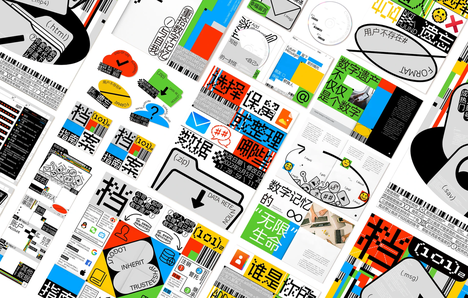
Nostalgic design continues influencing eCommerce in 2026, but the specific influences have evolved. The clean minimalism that dominated recent years faces competition from more expressive styles.
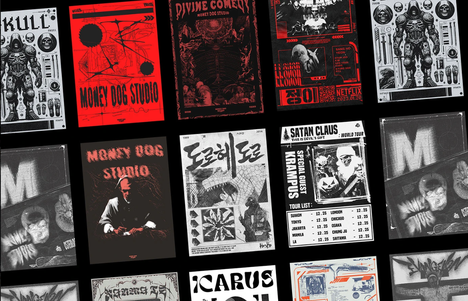
Vaporwave aesthetics draw from early internet culture, combining neon colors, retro typography, and glitch art influences. This style resonates particularly with younger audiences who view these references as nostalgic even though they predate their birth. The style works best for brands targeting Gen Z or those wanting to signal creativity and cultural awareness.
More broadly, maximalist design has gained ground. Bold colors, complex patterns, and dense layouts offer an alternative to the white-space-heavy approach that has dominated eCommerce. The key is execution—maximalist designs can quickly become overwhelming without careful attention to visual hierarchy.
The best approach considers your specific audience. A financial services company should not adopt vaporwave aesthetics, but a streetwear brand might use them effectively. Design choices should serve brand positioning, not follow trends blindly.
Neutral & Pastel Colors
Color trends in 2026 balance two competing desires: the clean sophistication of neutral palettes and the warmth of soft pastels.
Neutral schemes—whites, grays, blacks, and warm beiges—remain popular for their versatility and timelessness. These colors recede, letting products take center stage. They also convey professionalism and reliability, making them appropriate for virtually any product category.
Pastels have grown beyond their association with baby products and entry-level items. Soft pinks, sage greens, lavender, and muted yellows appear increasingly in premium contexts. These colors add personality without overwhelming the shopping experience. They work particularly well for wellness brands, lifestyle products, and items targeting younger demographics.
Successful color strategies often combine both approaches. A neutral background with pastel accents creates visual interest while maintaining product focus. The specific palette should reflect brand personality and appeal to the target audience.
Attractive Typography With Contrast Colors
Typography carries meaning beyond the words themselves. The right typeface communicates brand personality, establishes hierarchy, and guides users through content.
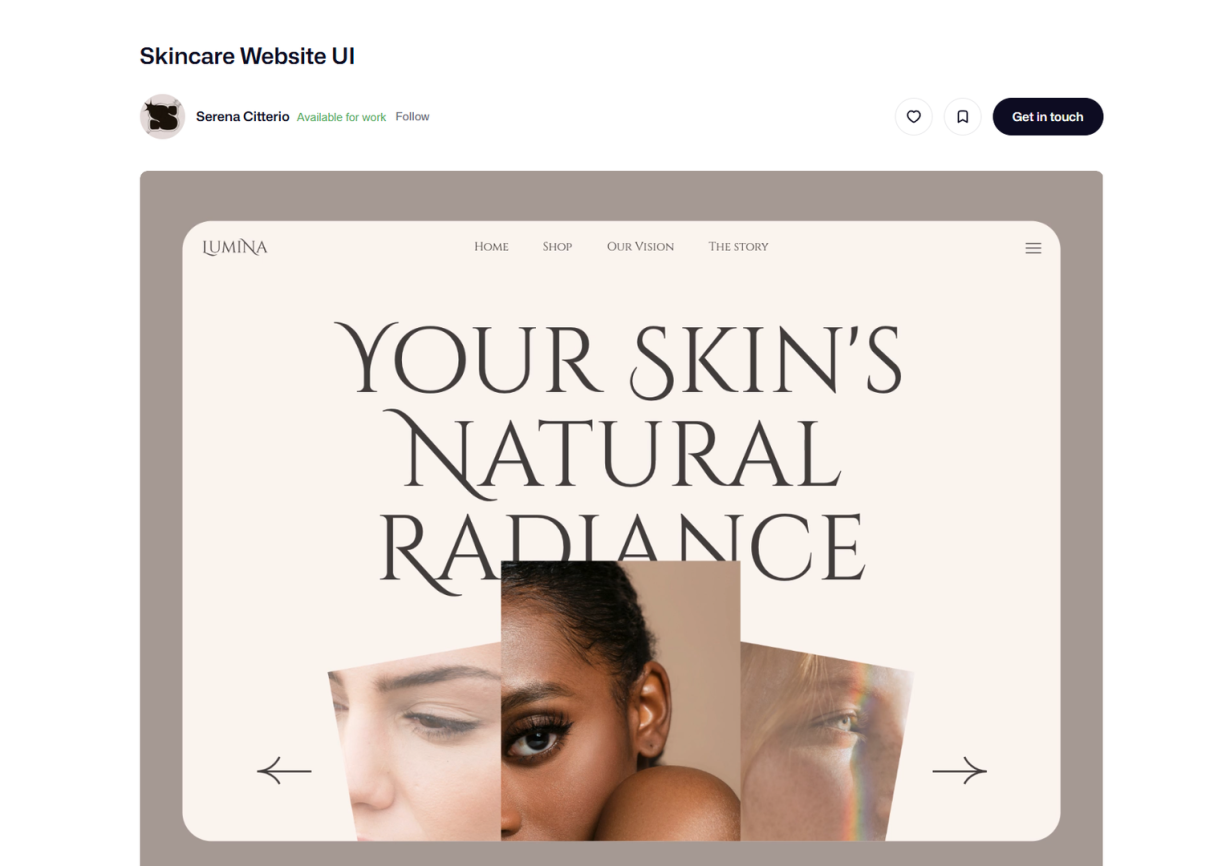
In 2026, contrast remains the defining typographic principle. Large, bold headlines paired with refined body text create clear visual hierarchy. Designers layer type over images, use color to differentiate text elements, and combine serif with sans-serif for visual tension.
Variable fonts have become essential tools. They allow infinite adjustment of weight, width, and other attributes without loading multiple font files. This flexibility enables responsive typography that adapts to screen sizes and user preferences. Some sites even adjust typography based on time of day or user behavior.
The accessibility implications of typography matter more than ever. Contrast ratios must meet WCAG guidelines. Font sizes need to remain readable across devices. The most thoughtful designers test typography with users who have visual impairments to ensure inclusive experiences.
Mobile-First Design Approach
Mobile commerce now accounts for over 60% of eCommerce traffic in most categories. Designing for mobile first is no longer optional—it's the baseline expectation.
True mobile-first design means starting with the smallest screens and adding complexity for larger displays, not the reverse. This approach forces prioritization. What absolutely must work on a phone? Everything else either adapts or gets deprioritized.
Touch targets need adequate spacing. Buttons must be large enough to tap accurately. Forms should minimize typing. Navigation must work with thumbs rather than mouse cursors. These seemingly small details significantly impact conversion rates.
Performance is critical for mobile users. Images must be optimized for smaller screens and slower connections. Code must be efficient. The best mobile experiences feel instant, even on 3G connections in areas with poor coverage.
Catchy Product Page
The product page is where purchase decisions happen. Everything on the page should work toward reducing friction and building confidence.
High-quality imagery remains the foundation. Multiple angles, zoom functionality, and contextual product shots help shoppers understand what they're buying. Video content has become expected, showing products in use and highlighting key features.
Social proof takes many forms: customer reviews, user-generated photos, purchase counts, and safety badges. These elements address common purchase hesitations and build trust. The most effective implementations layer multiple proof types rather than relying on a single element.
Information hierarchy matters critically. Key details should be immediately visible without scrolling. Technical specifications can exist but should not obscure the core product story. Clear pricing, availability, and call-to-action buttons should be impossible to miss.
Page Hybrids
The debate between single-page and multi-page sites has largely resolved into a hybrid approach. Modern eCommerce sites blend both models based on context.
Category and landing pages often function as single-page experiences, presenting broad overviews with clear pathways to more detailed product pages. Product detail pages remain separate for SEO benefits and navigation clarity. Checkout processes use multi-page flows to reduce cognitive load and improve completion rates.
This hybrid approach requires careful attention to transitions. Users should never feel lost or uncertain about where they are in the site. Clear navigation, consistent design patterns, and logical URL structures help maintain orientation.
AI & Chatbots Features
Artificial intelligence has moved from novelty to necessity in eCommerce. Its applications span the entire shopping journey, from discovery to post-purchase support.
Product recommendations have grown exponentially more sophisticated. AI analyzes browsing history, purchase patterns, and behavioral signals to serve highly relevant suggestions. These systems now account for context—a user might see different recommendations on a Tuesday morning than on a Saturday night.
Customer service chatbots handle increasingly complex queries. Natural language processing allows them to understand nuanced questions and provide useful responses. They escalate to human agents seamlessly when needed, passing along conversation history to avoid repetition.
Behind the scenes, AI optimizes inventory, predicts demand, and personalizes pricing. These operations remain invisible to shoppers but significantly impact availability, delivery times, and value perception.
Storytelling Approach for Product Pages
Modern shoppers want to understand products in context. They want to know the story behind what they're buying—who made it, why it exists, and what problem it solves.
Effective storytelling takes many forms. Some brands highlight craftsmanship through behind-the-scenes manufacturing content. Others focus on sustainability through sourcing transparency. Lifestyle brands create aspirational narratives around how products fit into ideal lives.
User-generated content has become powerful storytelling fuel. Customer photos, reviews, and social posts provide authentic narratives that resonate more than brand-produced content. The best eCommerce sites integrate this content strategically, showing real customers using products in real situations.
The key is authenticity. Modern consumers detect forced or inauthentic storytelling immediately. Stories must align with actual brand practices and values. The most effective approach combines brand narrative with customer voices.
Unconventional Page Filters
Finding the right product from thousands of options challenges shoppers. Filters have evolved beyond basic category and price sorting to include increasingly sophisticated options.
Visual search lets shoppers find products by uploading images or pointing phone cameras at items they like. This technology has improved dramatically, now recognizing products across different angles, backgrounds, and lighting conditions.
AI-powered recommendation filters understand shopper intent better than traditional attribute-based systems. A shopper searching for "romantic date night outfit" might see items curated for that purpose rather than results based solely on keywords.
Ethical and values-based filters have gained importance. Shoppers increasingly filter by sustainability credentials, fair trade certification, or brand social responsibility. This trend will only accelerate as younger shoppers prioritize values alignment in their purchasing decisions.
Conclusion
eCommerce design in 2026 balances multiple tensions: innovation with performance, expression with usability, and personalization with privacy. The brands succeeding are those that make intentional choices aligned with their specific audience and business goals.
These trends provide a roadmap, but implementation should reflect your unique context. Your audience, product category, and brand positioning all influence which approaches will be most effective. Test thoroughly, measure results, and iterate based on actual user behavior.
The ultimate goal remains unchanged: create shopping experiences that delight users and drive business results. Design trends come and go, but this fundamental objective endures.
Stefan Tran
Tek lover