Top Web Design Trends 2026
In an ever-evolving digital world, staying ahead of the curve requires adaptability and a clear understanding of upcoming trends, especially in the realm of web design. As the primary interface between users and businesses, web designs can make or break the user experience. As we move into 2025, there are exciting web design trends surfacing that are poised to redefine the way we interact with the web.
These trends weave together the threads of technology, storytelling, and design in a captivating web of interactivity. Among the key trends set to dominate 2025 are AI-Generated Content and Imagery, Immersive Storytelling Experiences, Micro-Interactions and Motion Effects, Neumorphism and Glassmorphism Evolution, and a fascinating exploration of Typography through Bold Typography and Variable Fonts. Further, the worlds of Retro Futurism and Bento Grid Layouts promise to richly color the web design landscape.
We delve into these exciting trends and their potential impacts in the rest of this blog.
AI-Generated Content and Imagery
The advent of AI (Artificial Intelligence) has triggered revolutionary changes across various industries, and web design is no exception. AI has transcended the boundaries of possibility, enabling the generation of content and imagery that are not only unique but also tailored for personal user experiences.
AI-Generated Content refers to the usage of sophisticated algorithms that are trained to curate and generate unique content on their own. These algorithms analyze online user behavior patterns, preferences, and engagement to create content that is precisely tailored to the user's needs.
Similarly, AI-Generated Imagery revolves around the use of AI to produce appealing, UX-focused images that can adapt to the user's preferences. These tailored visuals can lead to an enhanced user interface, offering vivid and relevant imagery that bolsters user engagement and enriches the overall user experience.
This powerful combination of AI and web design heralds an unprecedented era of personalization and engagement for the digital consumer experience. It is, without doubt, a trend to watch out for in 2025.
Immersive Storytelling Experiences
Storytelling has been an integral part of human communication and culture since time immemorial. With the strides in technology, this storytelling has seeped into web designs, rendering user experiences that are not just interactive, but immersive. The trend of Immersive Storytelling Experiences stands testament to this new digitally-aided narrative technique.
This trend is about harnessing technology to build gripping narratives within the web design. The creative incorporation of immersive scrolling experiences, WebGL-powered visualizations, and interactive narratives help create an entire universe on the website. Visitors are taken on a guided journey through a crafted story boosting engagement and interaction.
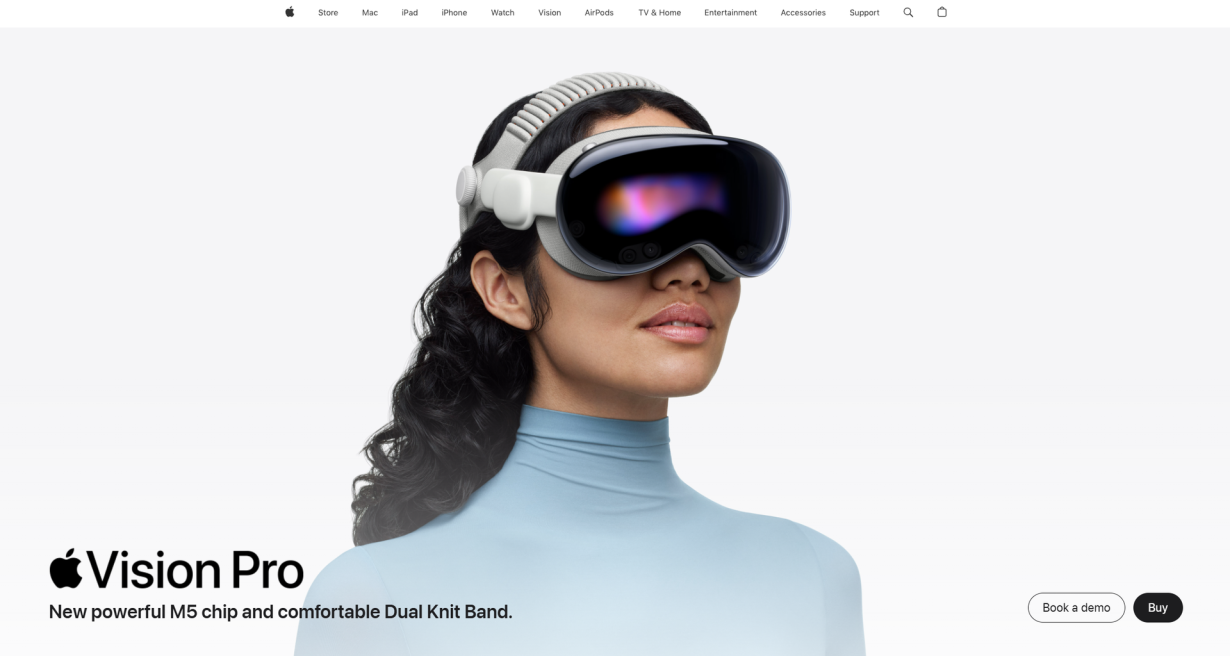
A noteworthy example of this trend would be the Apple Vision Pro interactive experience. The website uses cutting-edge web technologies for an immersive product storytelling experience, taking the user through an immersive journey of the device.
The potential of Immersive Storytelling Experiences is immense and is drafting a new wave of interactive and engaging web design that we can look forward to in 2025.
Micro-Interactions and Motion Effects
As internet speeds soar and user expectations rise, web design trends are consistently veering towards elements that make websites more engaging, personalized, and entertaining for the visitor. At the heart of these user-centric designs are Micro-Interactions and Motion Effects.
Micro-interactions in web design involve subtle animations and feedback mechanisms that respond to user actions. This can be achieved through hover effects, button animations, loading indicators, and more. These small details create a sense of polish and delight that elevates the overall user experience.
Motion Effects refers to the utilization of animations, transitions, and digital effects to breathe life into static web page elements. This can range from subtle scroll-triggered animations that fade in content, to full-screen video backgrounds that captivate the user with dynamic visuals.
Effectively integrated, these methods of Micro-Interactions and Motion Effects can transform a passive browsing experience into an interactive journey, leaving a lasting impression on the user and increasing the website's overall appeal. As we move into 2025, we are set to witness a surge in the use of these dynamic design strategies.
Neumorphism and Glassmorphism Evolution
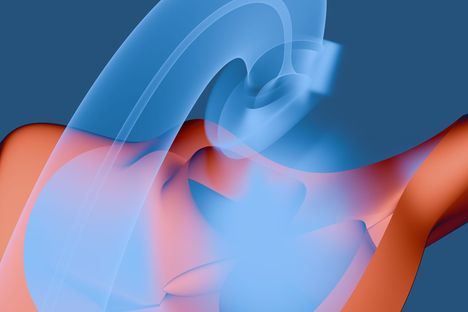
In recent years, we've seen Neumorphism and Glassmorphism make their mark on web design. These trends continue to evolve in 2025, with designers finding new ways to implement soft shadows, translucent elements, and depth in their designs.
Neumorphism, characterized by soft shadows that create an illusion of elements extruded from the background, has evolved to become more refined and accessible. Designers now combine neumorphic elements with more vibrant color palettes, moving away from the monochromatic looks of the past.
Glassmorphism, featuring translucent, frosted-glass effects, continues to dominate in 2025. This trend has evolved to include more creative applications, such as layered glass effects, dynamic backgrounds visible through semi-transparent elements, and innovative uses of blur and transparency to create depth and hierarchy.
The evolution of these trends represents a shift towards more sophisticated, layered designs that add tactile qualities to digital interfaces. When applied thoughtfully, Neumorphism and Glassmorphism can create memorable, visually interesting experiences that stand out in a sea of flat design.
Bold Typography
Typography, the art of arranging type, plays a critical role in web design. It can subtly set the tone, mood, and style of your site, influencing how visitors perceive and interact with the content. In recent years, we've seen designers push the envelope with bold, statement-making typography choices, a trend that continues to grow in 2025.
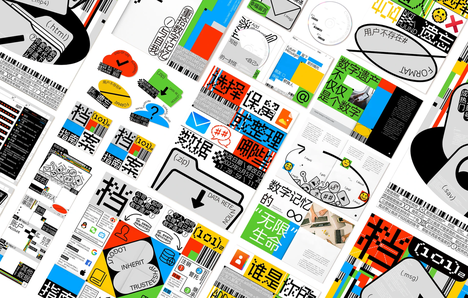
This trend embraces oversized, attention-grabbing fonts that serve as the primary design element. Here, typefaces are not merely vessels for content, but active design elements that capture the user's attention, invoke emotion, and contribute significantly to the overall aesthetics of the page.
The inventive usage of bold, massive fonts, experimental kerning, and unique typeface combinations can breathe life into otherwise mundane content. Variable fonts, which allow for smooth transitions between different font weights, have become particularly popular, offering designers unprecedented flexibility in creating dynamic typographic experiences.
As we progress through 2025, Bold Typography is set to reign, challenging designers to be more creative and daring in their use of fonts, and fostering stronger, more impactful visual communication.
Variable Fonts
Typography has stepped off the sidelines, emerging as a central player in web design. The rise of Variable Fonts represents an exciting trend that leverages the power of flexibility and interactivity in typeface design.
Variable Fonts are an innovation that allows a single font file to behave like multiple fonts. By adjusting parameters like weight, width, slant, and optical size, designers can create infinitely variable typography that responds to user interaction and screen sizes.
The beauty of variable fonts lies in their ability to create responsive typographic experiences. A website can automatically adjust font weight based on reading distance or viewport size, creating optimal readability across all devices. This technology reduces page load times since only one font file is needed instead of multiple font files for different weights.
On the other hand, Variable Fonts enable creative experimentation. Designers can animate font properties, creating smooth transitions and dynamic effects that were previously impossible or required heavy JavaScript libraries.
The promise of Variable Fonts lies in their ability to create more immersive and performant web experiences. In an era of diverse devices and screen sizes, these flexible type technologies could play a crucial role in delivering consistent, beautiful typography everywhere.
Retro Futurism
The design world is often prone to a cyclical pattern, with old trends making a comeback in new, evolved forms. One such trend making a sophisticated return is Retro Futurism. Inspired by the aesthetic visions of the past combined with cutting-edge technology, Retro Futurism is making a dramatic impact in the web design landscape.
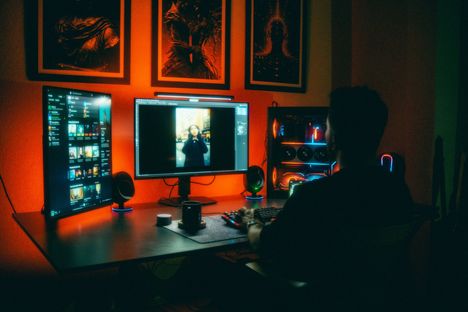
Characterized by a blend of nostalgic and futuristic elements, the Retro Futurism trend features neon colors, synthetic textures, angular shapes, CRT-style effects, and other visually striking elements. A nod to the digital optimism of the past, this trend combines vintage aesthetics with modern web technologies.
The Retro Futurism design trend is more than just a nostalgic trip down memory lane. It symbolizes a break from the clean, minimalist designs that have dominated recent years, leading to more expressive, creative, and visually stimulating design expressions. From glowing neon accents to pixel-art inspired graphics, this trend celebrates a burst of creativity and experimental design.
While this trend might not suit all brands or purposes, when applied with discretion and balance, it can add a touch of intrigue and personality to your design, setting you apart in a sea of contemporary, minimalist websites. As we step into 2025, the Retro Futurism design trend, albeit bold, is likely to shape the narrative in the design arena.
Bento Grid Layouts
In recent years, the world of web design has seen a shift towards structured, modular layouts. One trend that has gained significant traction is the Bento Grid Layout. Inspired by Japanese bento boxes, this design approach organizes content into distinct, grid-based modules of varying sizes.
The Bento Grid Layout offers a unique way to present diverse content types while maintaining visual harmony. Each module can contain different types of content—images, text, videos, or interactive elements—while still feeling part of a cohesive whole. This versatility makes it an excellent choice for feature pages, product showcases, and portfolio sites.
A well-executed bento grid design can turn a website into an organized, intuitive experience for users. The modular nature allows for easy content updates and ensures visual consistency across different sections. However, bento grids require careful planning to ensure that the layout remains functional and doesn't become overwhelming.
The beauty of bento grids lies in their adaptability. They work beautifully on desktop, where the full grid can be appreciated, but also translate well to mobile, where the modules can stack in a logical, user-friendly manner.
As we look forward to 2025, Bento Grid Layouts stand to challenge traditional web layouts. However, their adoption would need to be thoughtful, ensuring they enhance rather than hinder the overall user experience.
Conclusion
The ever-evolving landscape of web design keeps designers on their toes, constantly searching for innovative ways to enhance user interaction and experience. From AI-Generated Content and Imagery, Immersive Storytelling Experiences, to Micro-Interactions and Motion Effects, the future holds exciting possibilities for the world of web design.
Neumorphism and Glassmorphism Evolution bring tactile qualities to digital interfaces with refined shadows and translucent effects. Typography takes center stage with trends like Bold Typography and Variable Fonts, encouraging designers to experiment with expressive fonts and flexible type technologies.
Old becomes new again with trends like Retro Futurism, harking back to the vibrant designs of the past but with a futuristic spin. These trends boast of neon colors, synthetic textures, and bold geometric shapes, signifying a break away from the shackles of minimalist design.
Bento Grid Layouts offer a fresh approach to content organization, presenting information in organized, modular modules that work beautifully across devices.
The potential impact of these trends on future web designs is immense, inspiring designers to craft more personalized, immersive, and interactive experiences for users. As we journey towards 2025, it becomes imperative for businesses and designers to adapt and stay abreast of these trends, shaping their digital strategies to align with the preferences and expectations of the modern user.
The future of web design is bright and packed with creativity, and we're here for it!
Linh Nguyen
Graphic Designer
Passionate Graphic Designer | Specializing in Illustration Design | Bringing Captivating Visuals to Life